Energy Sector Trends: Battery Storage Systems as a Key Element of Flexibility
A Focus on Energy Management
Date publishedJanuary 29, 2026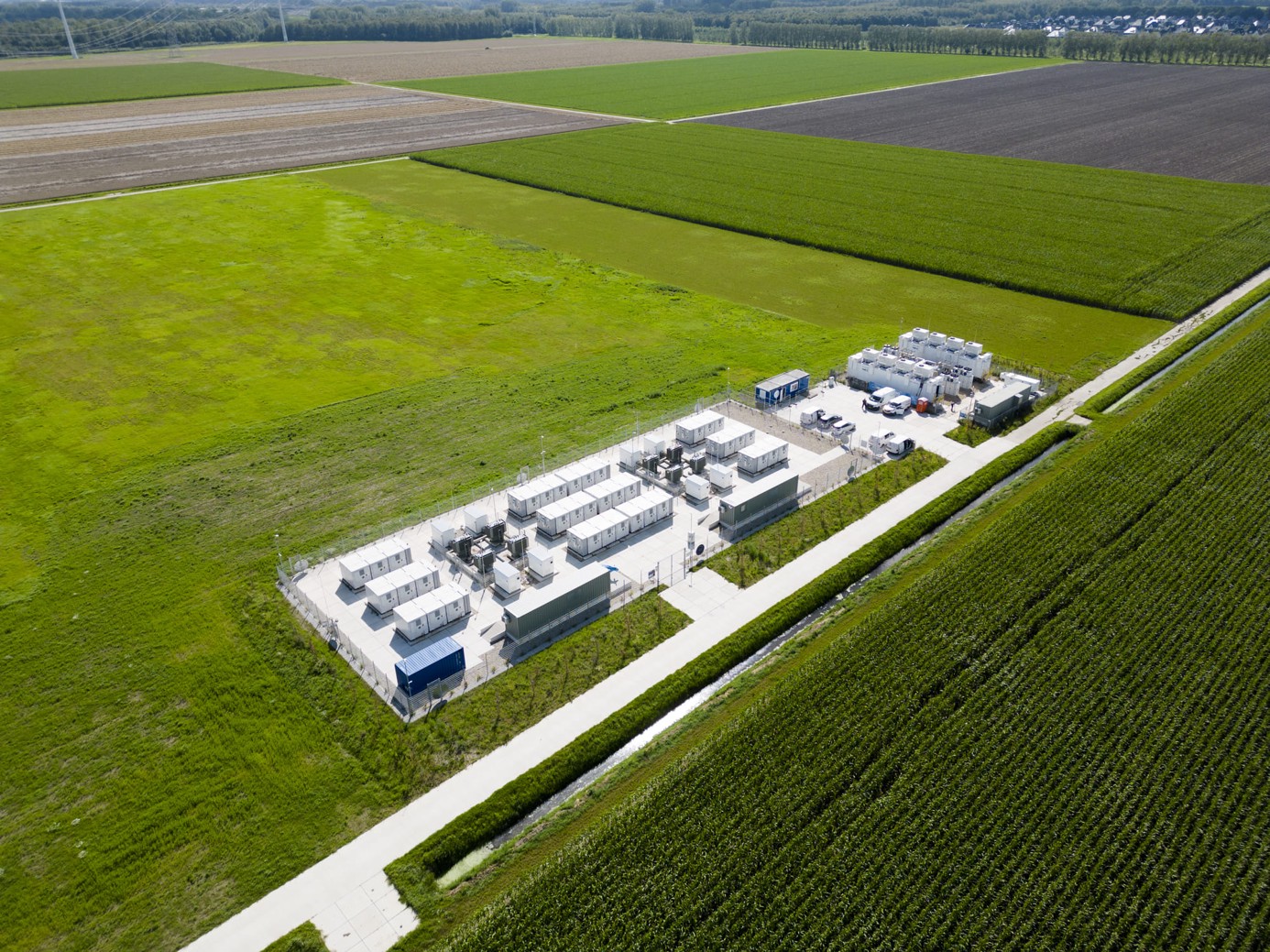
Zagreb, 29 January 2026 – The past year in the energy sector was marked by continued stabilisation following several years of pronounced volatility. The industry’s focus is increasingly shifting towards flexible, digital and integrated solutions, with energy management becoming ever more important.
Below, we present a review of the energy market in 2025 and an analysis of the key trends for 2026 prepared by our experts at ENNA Next. Their perspective offers insight into market development directions and the opportunities arising from the advancement of technologies such as battery storage systems and virtual power plants.
Electricity Market
In 2025, the electricity market continued its strong structural shift towards renewable sources, which accounted for over 90% of all newly installed generation capacity worldwide. The realised price on the reference CROPEX Day-Ahead market in 2025 amounted to EUR 105.35/MWh, representing an increase of just over 10% compared to 2024.
As in recent years, 2025 saw a continued rise in the number of hours with very low or negative hourly prices, alongside increasing intra-day price spreads. These developments are primarily the result of significant solar generation during sunny hours, between 10:00 and 17:00, when power plants simultaneously increase output, while demand does not grow at the same pace. During peak solar hours, this creates downward pressure on prices and leads to the occurrence of negative market values.
“For ENNA Next, this meant more intensive market risk management, but it also opened up new business opportunities. Flexibility, portfolio optimisation, active participation in short-term markets and in ancillary services markets have become key pillars of our operations,” explains Tomislav Bunjevac, Director of ENNA Next.
Power Purchase and Solar Plants
In terms of power purchase, ENNA Next recorded growth across all segments in 2025. The value of electricity generated from technologies such as wind and hydropower plants remained stable, with realised prices in the range of EUR 90–100/MWh. By contrast, the price of electricity generated from solar power plants declined to between EUR 55–65/MWh.
A further decrease in the value of solar-generated electricity is expected in 2026, directly affecting project profitability and further underlining the importance of flexibility and real-time portfolio optimisation.
According to data from SolarPower Europe, 2025 remained a year of high solar deployment levels in Croatia. However, at European Union level, new installations declined year-on-year for the first time since 2016 – from 65.6 GW in 2024 to 65.1 GW in 2025, representing a 0.7% decrease.
In addition to the declining market value of solar-generated electricity, the reasons include regulatory challenges, grid constraints and reduced incentives for residential solar systems. In Croatia, solar capacity growth continued; however, the market increasingly demonstrated that standalone solar projects without flexibility are becoming more exposed to market risks.
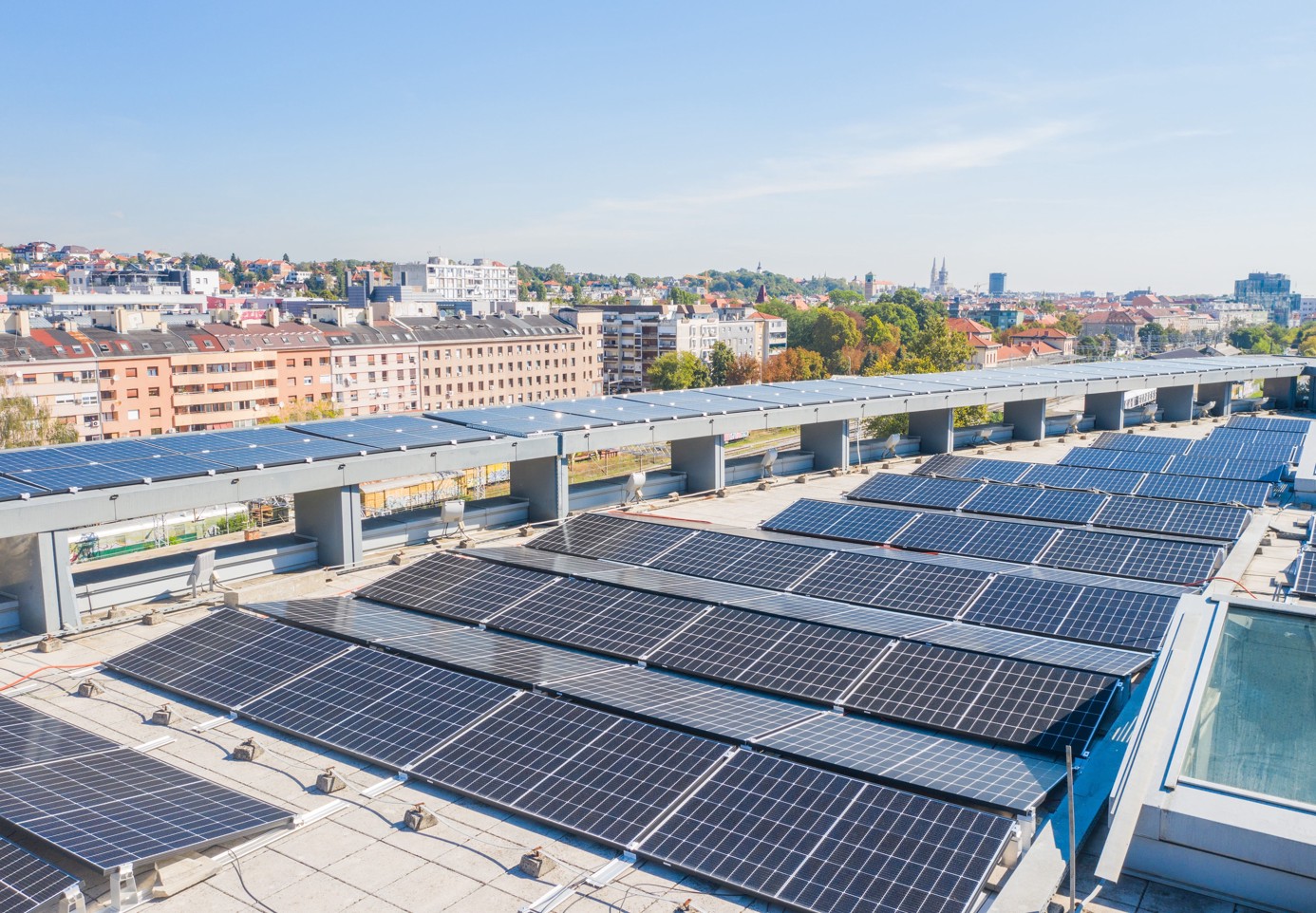
Throughout 2025, ENNA Next continued the implementation of solar power plants, with a strong emphasis on economic sustainability and integration with future energy storage systems. Rather than focusing solely on installed capacity, the strategy increasingly shifted towards maximising the value of generated electricity through active market management and integration with battery systems.
“Our focus is on projects that not only increase generation, but also enable portfolio optimisation and active market participation, thereby creating long-term value and stability,” Bunjevac notes. This approach has enabled more efficient management of negative pricing and grid constraints, while simultaneously strengthening business resilience.
Battery Systems
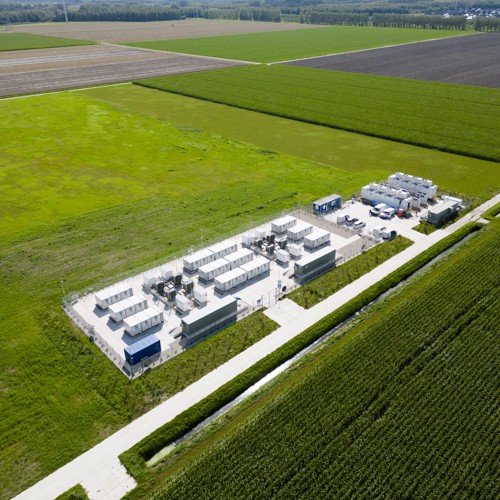
One of ENNA Next’s most significant milestones in 2025 was its entry into the battery energy storage segment. Falling battery system costs, technological advancements and evolving electricity market conditions have positioned batteries as a key component of the modern energy landscape, particularly when combined with renewable sources such as solar power plants.
According to Energy Storage Europe, the unit cost of installed battery systems decreased by as much as 93% between 2010 and 2024, with a further decline of approximately 30% recorded in 2024 alone compared to the previous year. This trend has made investment in energy storage increasingly competitive when paired with renewable generation.
For ENNA Next, 2025 marked the year of contracting its first battery projects, designed from the outset as active market tools rather than merely as an add-on to generation. Batteries enabled the storage of electricity during periods of unfavourable prices and its placement on the market at more favourable times, facilitating price arbitrage as well as participation in the provision of ancillary services through aggregation.
“For us, battery systems represent more than just technology and innovation – they are the final step in achieving our long-standing goal of comprehensive energy management. They complement solar power plants and other forms of renewable generation, enabling the utilisation of produced energy at the optimal moment,” said Bunjevac.
Virtual Power Plants and Aggregation
The year 2025 clearly demonstrated that the energy sector has entered a new phase of development. The advancement of a virtual power plant integrating renewable generation, battery energy storage systems and active demand management marked a new direction in ENNA Next’s development in the field of power system flexibility. The key to success has become the ability to manage energy at the right time, in the right place and for the right purpose.
“By entering the virtual power plant market alongside battery systems, we have laid the foundations for modern energy management and established the key preconditions for our expansion into new market segments,” Bunjevac emphasised.

In May 2024, ENNA Next obtained a licence from the Croatian Energy Regulatory Agency ( (HERA) to perform the energy activity of aggregation, thereby establishing the regulatory preconditions for a stronger strategic step forward in 2025.
In May 2025, ENNA Next successfully completed the prequalification process and became an active participant in balancing the power system of the Republic of Croatia as an aggregator, providing automatic Frequency Restoration Reserve (aFRR) and manual Frequency Restoration Reserve (mFRR). This marked the opening of a new and strategically important market segment. Shortly thereafter, ENNA Next was the first to submit a bid and receive a positive award decision in the tender for the provision of aFRR+ services, and it remains the sole provider of this service on the Croatian market.
“Alongside our entry into the battery systems market, ENNA Next has been continuously integrating additional reserve capacity into its virtual power plant, encompassing generation assets, flexible demand and battery energy storage systems, thereby increasing the overall flexibility of our portfolio,” said Tomislav Bunjevac.
Natural Gas Market
Following significant disruptions in previous years, the European natural gas market showed signs of stabilisation in 2025. Diversification of supply routes, stable deliveries from Norway, growth in LNG capacity – with an increase of 17 million tonnes in 2025 – and lower, yet still sufficient, storage fill levels reduced the risk of shortages. However, prices remained sensitive to weather conditions and geopolitical developments.
The average price in 2025 on the reference CEGH Day-Ahead market amounted to EUR 39.06/MWh, while the lowest average monthly price of EUR 30.60/MWh was recorded in December 2025. Although security of natural gas supply is now significantly stronger, the market remains sensitive and requires continuous risk management.
For 2026, the International Energy Agency (IEA) forecasts the largest increase in global LNG supply since 2019, placing ENNA Next in a favourable position, further strengthened by the role of the LNG terminal on Krk.
“In such a market environment, ENNA Next has further reinforced its role as a reliable natural gas supplier, with a focus on longer-term contractual relationships, procurement cost optimisation and active portfolio management. Particular emphasis has been placed on reducing exposure to short-term market shocks and ensuring stable solutions for end customers, especially in the industrial sector,” Bunjevac noted.
In 2026, ENNA Next plans to further expand its renewable energy sources, battery capacity and aggregation activities, with a focus on flexible energy management and portfolio optimisation. In a challenging and volatile market environment, ENNA Next positions itself as a partner capable of delivering a comprehensive service with maximum flexibility and control over energy.
News
More news > More news >
ENNA Next and XEnergy Successfully Conclude Internship Program
Energy Sector Trends: Battery Storage Systems as a Key Element of Flexibility
ENNA Next at Energetika 2026 Energy Conference: Batteries and Smart Energy Management in Focus
Jošt Štrukelj at the Conference on Energy Transition in Slovenia