Battery Energy Storage Systems Gaining Traction Among Croatian Businesses
Lower Costs and Additional Revenue
Date publishedNovember 24, 2026sourceTportal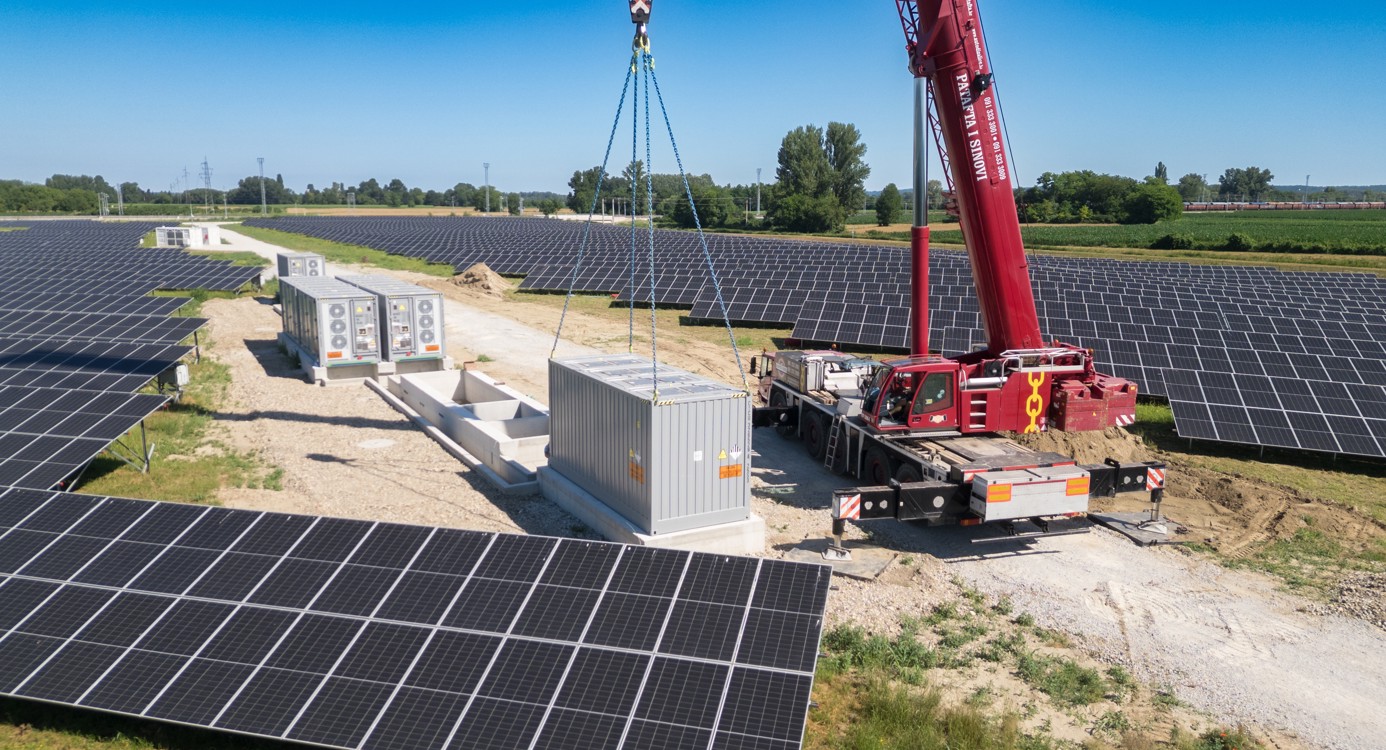
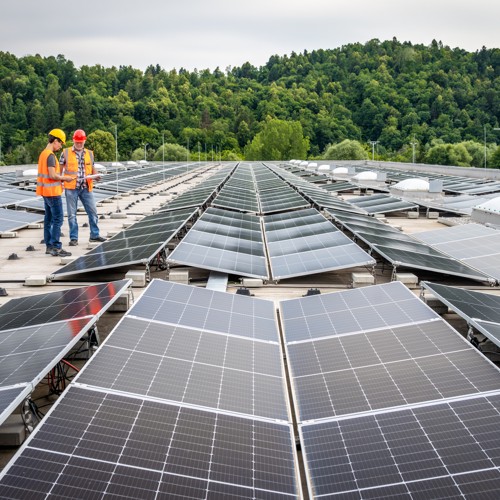
Energy costs and market uncertainty are prompting businesses to take a closer look at how much electricity they consume, when they use it and how they can better manage their expenditure. Some have already invested in their own solar power plants, but energy generation during daylight hours does not always coincide with periods of peak consumption. This is precisely why battery energy storage systems are emerging as an attractive next step. They enable surplus energy to be stored and used later, while intelligent energy management opens up additional opportunities to optimise costs and potentially generate revenue.
The key, however, lies not only in the battery itself, but also in how it is used. Combining a battery energy storage system with energy management software can help businesses align their own generation and consumption with market price movements. The benefits of such a solution depend on each company's energy requirements and how the system is operated.
Three ways battery storage can create additional value
Maximising the use of self-generated energy
When a solar power plant generates more electricity during the day than a business needs at that particular time, the surplus can be stored in a battery and used later. This reduces the need to purchase electricity from the grid during periods when on-site generation is insufficient.
The value of this solution depends on the amount of energy generated and consumed, as well as price differences throughout the day. Battery storage can therefore increase the utilisation of an existing solar power plant and help optimise energy costs.
Energy arbitrage
A battery energy storage system can be charged when electricity prices are lower, with the stored energy then used or sold when prices are higher, subject to market and contractual conditions. The price difference can generate additional revenue, although actual returns also depend on system efficiency, operating costs and the costs associated with participating in the electricity market.
Read the full article on tportal.hr.
Novosti
#NextMore news >
Tomislav Bunjevac at the Solar Flex Energy Conference
Energy Sector Trends: Battery Storage Systems as a Key Element of Flexibility
Install a battery storage system with the support of non-repayable grants

ENNA Next at the "Renewable Energy" conference in Romania