ENNA Next at a Leading Energy Conference in Slovenia
Active Energy Management Delivers Cost Savings, New Revenue, and Competitive Advantage
Date publishedApril 16, 2026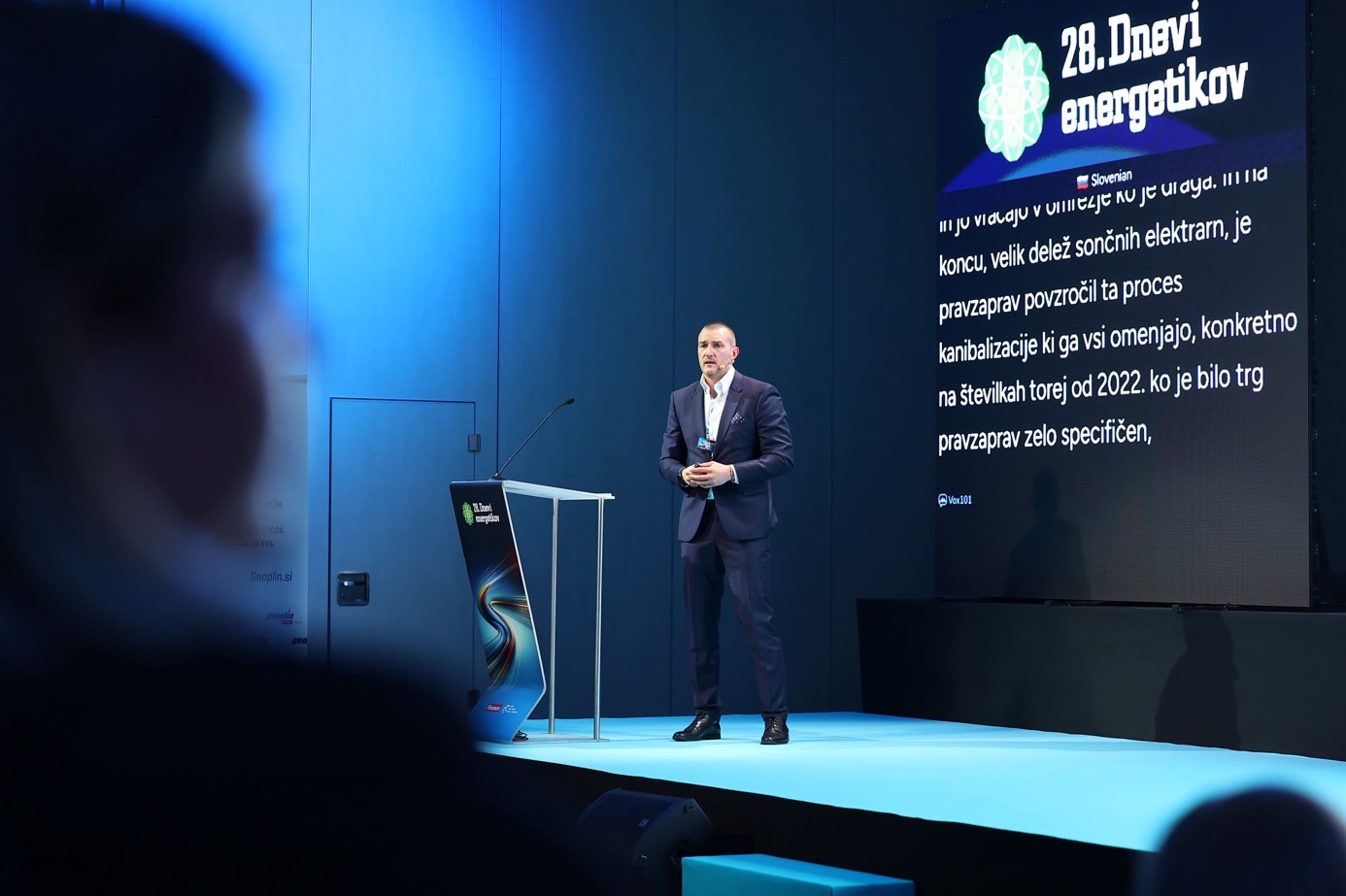
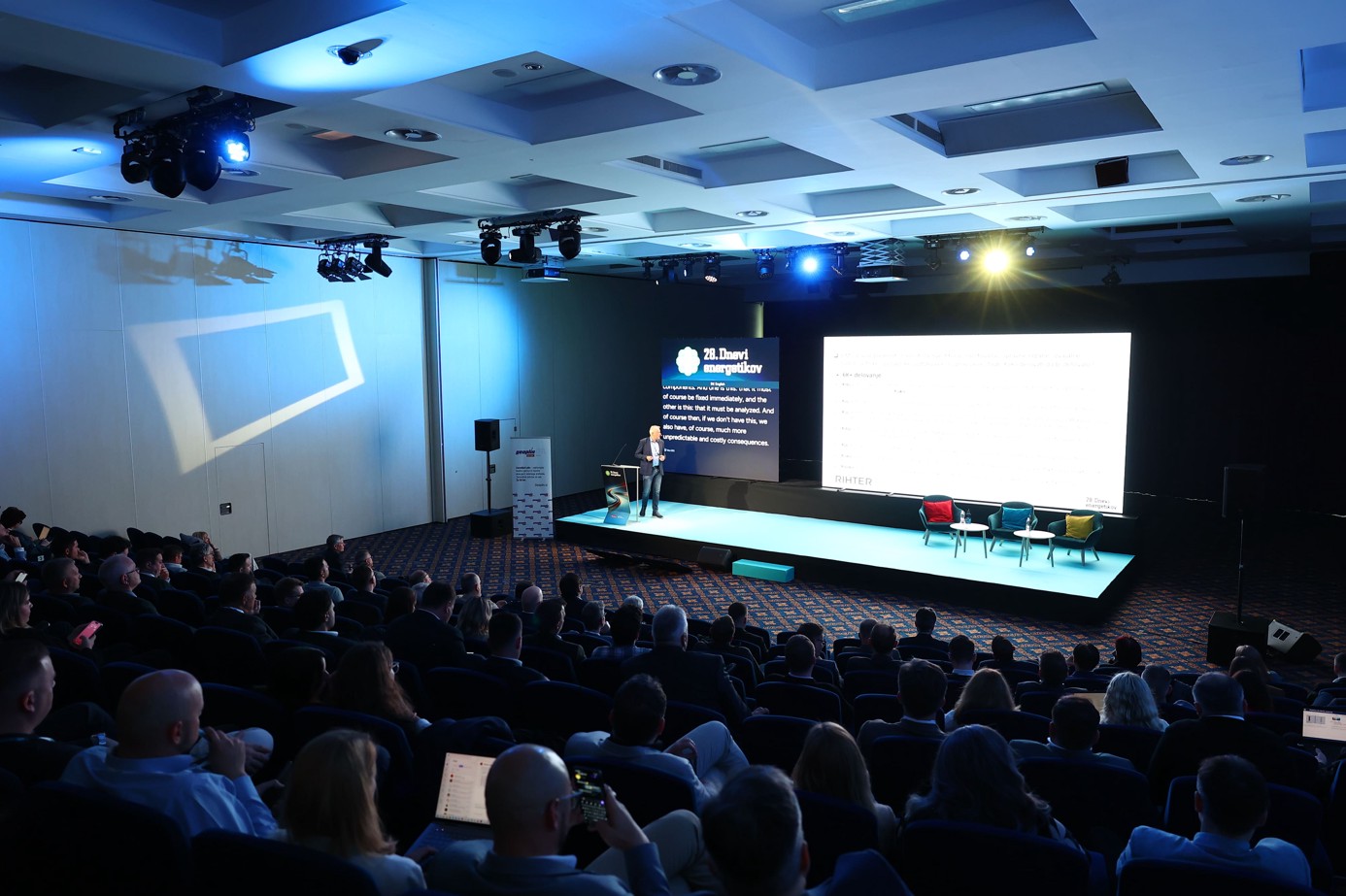
Zagreb, 16 April 2026 – ENNA Next presented its services at the Dnevi energetikov conference, held on Tuesday and Wednesday, 14–15 April 2026, in Portorož. The event is considered a central gathering for energy managers and professionals in Slovenia.
Marin Cerjan, Member of the Management Board of ENNA Next, delivered a presentation on long-term strategies and corporate energy planning.
As he emphasized, companies are facing a range of challenges – from the green transition and integration of renewable energy sources to geopolitical instability and price volatility. The number of hours with negative electricity prices during the year is increasing due to the growing share of renewable energy production. At the same time, the market spread – the difference between the lowest and highest intraday prices – is widening, creating both risks and business opportunities.
Overall, market dynamics highlight the need for active energy management through a variety of strategies and tools. In this context, ENNA Next aims to be a reliable partner to companies as a “smart energy hub” – a one-stop shop where they can access all energy services required for their operations.
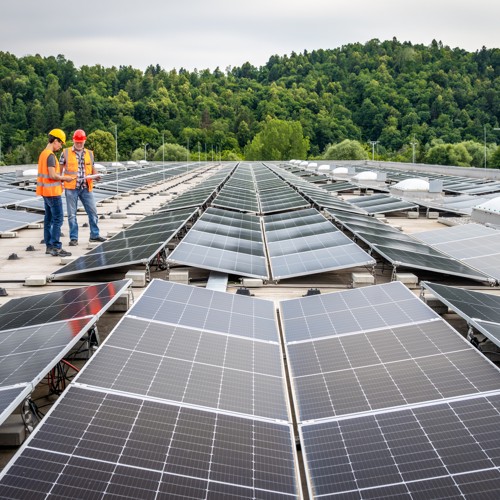
“ENNA Next positions itself as a partner covering the entire lifecycle of an energy project: energy consulting and consumption analysis, design and construction of solar power plants and battery systems, operation and maintenance, smart energy management, and market optimization through PPA agreements, spot market trading, and aggregation,” Cerjan explained.
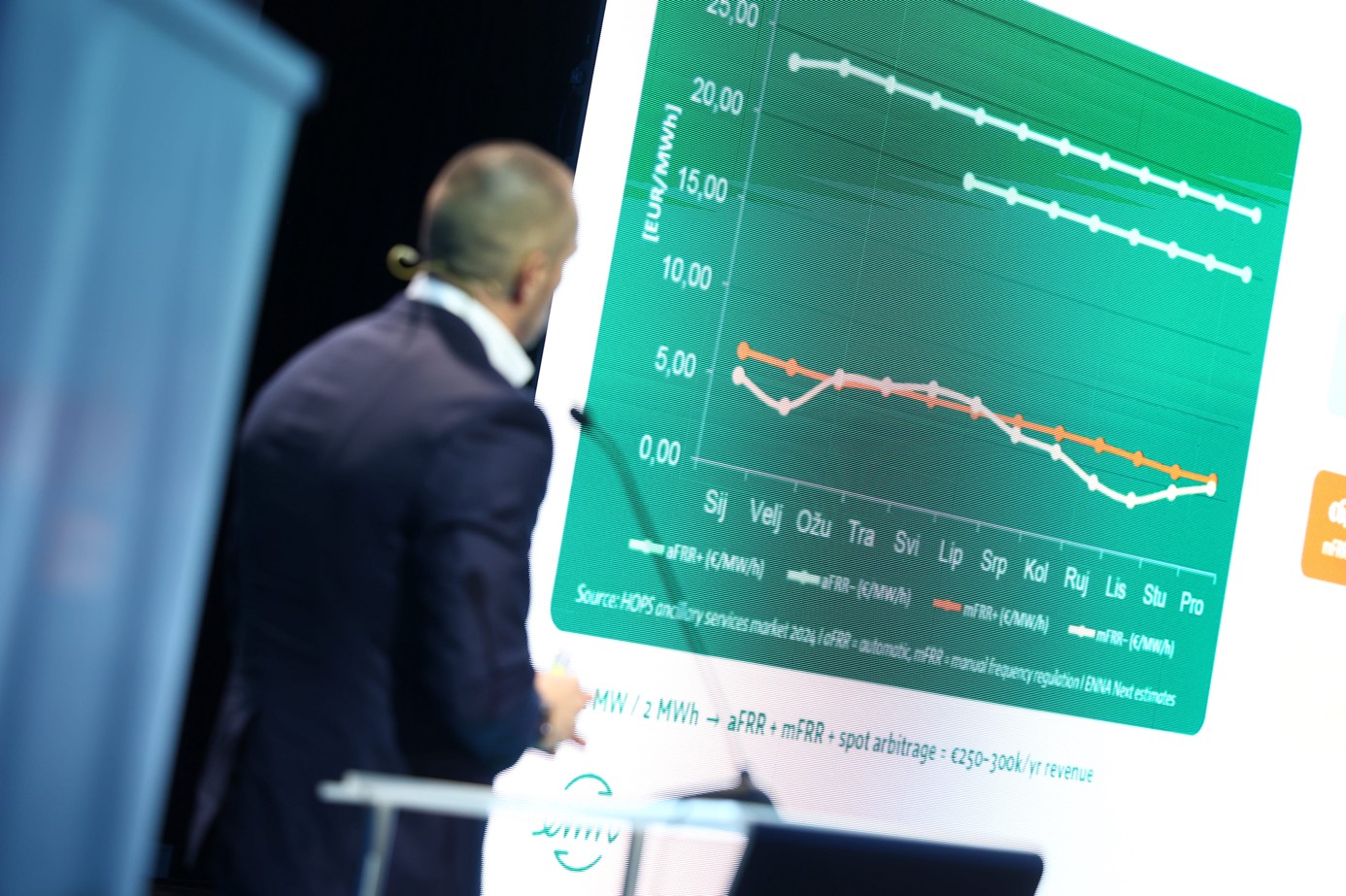
Flexibility (e.g. energy storage) is becoming a new source of value in the market, as it enables additional revenue streams. At the same time, Power Purchase Agreements (PPAs) play a key role by ensuring stable revenues and facilitating project financing.
As highlighted in the presentation, more than 70% of companies are still at the lowest level of energy planning, meaning they view energy solely as a necessary cost. In contrast, ENNA Next enables its business customers to reach the highest level, where energy becomes a strategic advantage.
“At this highest level, a smart energy system is established, integrating solar power, battery storage systems, PPA agreements, and aggregation. This can deliver savings of 40 to 70 percent, as well as enable new revenue streams through the sale of surplus energy,” Cerjan explained, adding that there is significant untapped potential for companies to reduce costs, improve energy efficiency, and generate additional revenue.
The range of opportunities was further illustrated through case study examples of an industrial client combining solar power, a battery energy storage system (BESS), and energy trading. This approach resulted in energy cost savings of up to 61% compared to a “grid-only” scenario. The key lies in integrating BESS, which enables purchasing electricity when prices are low and either selling it or using stored energy when market prices are high.
In addition, a variety of financing options are available – from EU funds and subsidies covering 30–50% of the investment, to flexibility markets where the transmission system operator HOPS compensates for grid balancing services, as well as PPA agreements and energy communities. In such communities, multiple companies jointly invest in shared energy systems (e.g. solar power plants), resulting in lower grid costs, shared investment, and faster return on investment.
The conclusion of the presentation was clear: companies that act early, invest in flexibility and technology, and actively manage their energy will achieve lower energy costs, unlock new revenue streams, and gain a clear competitive advantage. ENNA Next aims to support them on this journey as a reliable long-term partner.
Photo: Nejc Lasič
News
#NextMore news >
Tomislav Bunjevac at the Solar Flex Energy Conference
Energy Sector Trends: Battery Storage Systems as a Key Element of Flexibility
Install a battery storage system with the support of non-repayable grants

ENNA Next at the "Renewable Energy" conference in Romania